
Introduction
Blockchain technology has revolutionized how we think about digital transactions, data security, and decentralized systems. However, as more people and organizations adopt blockchain, certain challenges become evident, especially in terms of speed, cost, and scalability. Layer 2 blockchain solutions have emerged as a game-changer, designed to address these issues while maintaining the security and decentralization of the main blockchain.
In simple terms, a Layer 2 blockchain is built on top of an existing blockchain, often referred to as Layer 1, like Ethereum or Bitcoin. It works to handle transactions more efficiently without compromising the core security features of the main blockchain. This solution is particularly crucial as the demand for blockchain-based applications grows, from decentralized finance (DeFi) to gaming, NFTs, and enterprise applications.
For beginners and intermediate users, understanding Layer 2 solutions is vital to navigating the modern crypto landscape. It’s not just about speed; it’s about making blockchain technology more practical and cost-effective for everyday use. By the end of this article, you’ll gain a clear understanding of what Layer 2 blockchain solutions are, how they work, their benefits, potential risks, and practical tips for leveraging them effectively.
What is Layer 2 Blockchain Solutions?
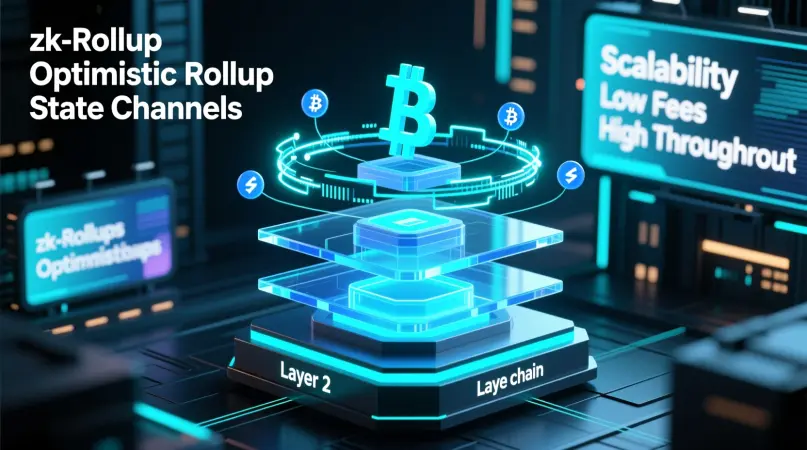
Layer 2 blockchain solutions, often abbreviated as L2 solutions, are secondary frameworks or protocols built on top of existing blockchains. They aim to improve the efficiency of blockchain networks by processing transactions off the main chain while still relying on the security of the primary blockchain.
Think of Layer 1 as a busy highway where every car represents a transaction. As traffic increases, congestion occurs, causing delays and higher costs. Layer 2 acts like an express lane, where many transactions can move simultaneously without clogging the main highway.
Some common types of Layer 2 solutions include:
- State Channels: These allow users to transact off-chain and only record the final result on the main blockchain.
- Rollups: Transactions are executed off-chain but rolled up into a single batch, which is then posted to Layer 1.
- Sidechains: Independent blockchains that run parallel to the main chain and periodically communicate with it.
By using these methods, Layer 2 solutions can handle thousands of transactions per second, drastically reducing fees and confirmation times compared to Layer 1 networks.
Why is Layer 2 Blockchain Solutions Important?
Layer 2 solutions have become essential for the mass adoption of blockchain technology. Without them, popular networks like Ethereum would struggle under heavy demand. Here’s why they matter:
- Scalability: Layer 1 blockchains can only process a limited number of transactions per second. Layer 2 helps scale networks to accommodate millions of users.
- Lower Fees: High demand on Layer 1 leads to expensive transaction fees. Layer 2 reduces these costs by moving most transactions off the main chain.
- Faster Transactions: Confirmation times on Layer 1 can take minutes or longer during peak traffic. Layer 2 processes transactions almost instantly.
- Better User Experience: Faster and cheaper transactions encourage more users to adopt blockchain applications.
- Support for Complex Applications: DeFi platforms, NFT marketplaces, and gaming applications require high throughput that Layer 2 solutions provide.
In essence, Layer 2 ensures that blockchain remains functional and practical as adoption grows, without compromising security or decentralization.
May be you like it:
How to Trade Bitcoin: Complete Beginner’s Guide
NFT Collectibles: A Beginner’s Complete Guide to Digital Collectibles
Crypto Wallet Guide: The Ultimate Beginner-Friendly Guide
Detailed Step-by-Step Guide to Layer 2 Blockchain Solutions
Step 1: Understanding Layer 1 Limitations
Before diving into Layer 2, it’s important to understand why it’s needed. Layer 1 blockchains, such as Ethereum and Bitcoin, have inherent limitations:
- Transaction speed: Ethereum can handle around 15 transactions per second, while Bitcoin manages roughly 7.
- High fees: Gas fees on Ethereum can skyrocket during network congestion.
- Scalability issues: As user demand grows, performance can degrade significantly.
Layer 2 solutions are designed to address these bottlenecks without compromising security.
Step 2: Choosing the Right Layer 2 Solution
Different Layer 2 solutions are suited for different purposes. Here’s a breakdown:
- State Channels: Best for frequent, repeated transactions between a set of participants. Example: Payment channels like the Lightning Network for Bitcoin.
- Rollups: Ideal for decentralized applications (dApps) that require high throughput. There are two main types:
- Optimistic Rollups: Assume transactions are valid and verify only when challenged.
- ZK-Rollups: Use zero-knowledge proofs to instantly validate batches of transactions.
- Sidechains: Suitable for applications that need more freedom and independence but still want to connect to Layer 1 periodically.
Selecting the right solution depends on your application’s requirements, whether speed, cost efficiency, or decentralization.
Step 3: Integration with Layer 1
Once a Layer 2 solution is chosen, integration with Layer 1 is crucial. This ensures:
- Security: Layer 1 serves as the final authority, verifying and storing transactions.
- Transparency: Users can audit Layer 2 transactions via Layer 1.
- Interoperability: Layer 2 solutions can interact with multiple Layer 1 chains if designed properly.
Integration often involves smart contracts on Layer 1 that communicate with the Layer 2 network, ensuring smooth and secure operation.
Step 4: Moving Assets Between Layers
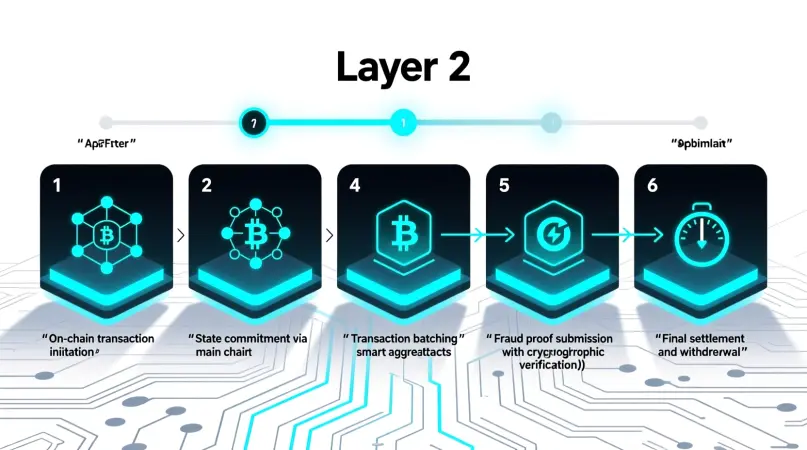
Users must understand how to transfer assets from Layer 1 to Layer 2 and back. Common steps include:
- Locking assets on Layer 1 using a smart contract.
- Representing these assets on Layer 2, often as wrapped tokens.
- Performing transactions on Layer 2, enjoying lower fees and faster speeds.
- Withdrawing back to Layer 1 when needed.
For example, in Ethereum, a user might deposit ETH into a Layer 2 protocol like Arbitrum or Optimism to trade or use DeFi applications more efficiently.
Step 5: Monitoring and Security Practices
Even though Layer 2 is secure, users should follow best practices:
- Check the reputation of Layer 2 providers.
- Ensure smart contracts are audited.
- Monitor transaction confirmations regularly.
- Avoid using experimental Layer 2 solutions for large amounts initially.
This ensures safety while benefiting from faster and cheaper transactions.
Benefits of Layer 2 Blockchain Solutions
Layer 2 offers numerous advantages that make blockchain technology more usable for mainstream adoption:
- High Scalability: Thousands of transactions per second without clogging Layer 1.
- Lower Transaction Costs: Significantly reduced fees compared to Layer 1 networks.
- Faster Transactions: Near-instant confirmation for users.
- Enhanced User Experience: Smooth interactions for dApps, gaming, and DeFi platforms.
- Support for Advanced Applications: Enables complex applications that require high throughput.
- Security Maintenance: Layer 1’s security ensures trust and integrity.
- Flexibility: Multiple Layer 2 solutions allow developers to choose what fits their needs.
Disadvantages / Risks
While Layer 2 is promising, it comes with some risks:
- Smart Contract Vulnerabilities: Bugs in Layer 2 code can result in loss of funds.
- Centralization Risk: Some Layer 2 networks are more centralized, reducing trust.
- Withdrawal Delays: Moving assets back to Layer 1 can sometimes take time.
- Limited Ecosystem Support: Not all dApps or wallets fully support every Layer 2 solution.
- Complexity for Beginners: Understanding multiple layers may confuse new users.
- Potential Network Failures: Although rare, technical issues can affect Layer 2 networks.
Being aware of these risks allows users and developers to take appropriate precautions.
Common Mistakes to Avoid
- Ignoring Security Audits: Using unaudited Layer 2 solutions can be risky.
- Mismanaging Assets: Not understanding how to move assets between layers can lead to lost funds.
- Overlooking Fees: While Layer 2 is cheaper, there may still be transaction fees to consider.
- Assuming All dApps Support L2: Always check compatibility before using a dApp on a Layer 2 network.
- Neglecting Updates: Layer 2 solutions evolve quickly; outdated versions may have vulnerabilities.
- Focusing Only on Speed: Speed is important, but security should never be compromised.
May be you like it:
Smart Contract Platforms: A Beginner’s Guide to Blockchain Automation
Top DeFi Projects You Must Know in 2026
Blockchain Explained: Beginner-Friendly Guide
FAQs
1. What is the difference between Layer 1 and Layer 2 blockchains?
Layer 1 is the base blockchain, like Ethereum or Bitcoin, responsible for consensus and security. Layer 2 is built on top to increase scalability and reduce fees by processing transactions off-chain.
2. Are Layer 2 solutions safe to use?
Yes, generally, as they rely on Layer 1 for security. However, users should ensure the Layer 2 solution is reputable and smart contracts are audited.
3. Can I transfer my assets from Layer 2 back to Layer 1 anytime?
Yes, most Layer 2 solutions allow withdrawals, but processing times may vary, sometimes taking several minutes to hours.
4. Which applications benefit most from Layer 2 solutions?
DeFi platforms, NFT marketplaces, gaming dApps, and any applications requiring high transaction throughput benefit the most.
5. What is the difference between rollups and sidechains?
Rollups batch transactions and post proofs to Layer 1, maintaining strong security. Sidechains are independent blockchains that communicate with Layer 1 periodically, offering more flexibility but slightly lower security.
6. Are there transaction fees on Layer 2?
Yes, but they are much lower than Layer 1 fees since Layer 2 reduces the computational load on the main blockchain.
7. Can Layer 2 solutions work with multiple Layer 1 blockchains?
Some advanced Layer 2 networks are designed for cross-chain interoperability, allowing transactions across different Layer 1 blockchains.
8. Is Layer 2 suitable for beginners in crypto?
Yes, but beginners should start with well-known Layer 2 solutions like Arbitrum, Optimism, or Lightning Network and follow security best practices.
Expert Tips & Bonus Points
- Start Small: Begin with small amounts to familiarize yourself with Layer 2 transactions.
- Choose Audited Networks: Always prioritize networks that have undergone professional audits.
- Stay Updated: Follow news on Layer 2 upgrades and improvements to stay ahead.
- Combine with Wallets: Use wallets that fully support Layer 2 to simplify transactions.
- Monitor Fees: Compare fees between Layer 1 and Layer 2 to optimize cost efficiency.
- Use Layer 2 Bridges Carefully: Bridges allow moving assets between networks, but always verify legitimacy.
- Experiment with DeFi and NFTs: Layer 2 solutions are ideal for exploring decentralized applications with lower costs.
Bonus Tip: As Layer 2 ecosystems expand, understanding multiple solutions will give you a competitive edge, whether for trading, investing, or building applications.
Conclusion
Layer 2 blockchain solutions are the key to unlocking the true potential of blockchain technology. They address critical issues like scalability, transaction speed, and high fees, making networks like Ethereum more practical for everyday use. For beginners and intermediates, Layer 2 offers an accessible way to experience decentralized applications, DeFi, and NFTs without the frustration of long wait times or high costs.
However, like any technology, Layer 2 comes with its own risks and learning curve. By understanding the different types of Layer 2 solutions, integrating them properly, and following best practices, users can maximize benefits while minimizing potential pitfalls.
As blockchain adoption grows, Layer 2 solutions will play a crucial role in ensuring networks remain scalable, secure, and user-friendly. By embracing these innovations, you not only improve your blockchain experience but also position yourself at the forefront of the crypto revolution.
May be you like it:
Crypto Swing Trading: A Complete Guide for Beginners and Intermediates
Crypto Day Trading: A Complete Guide for Beginners and Intermediates
Crypto Portfolio Management: A Beginner’s Guide to Smart Investing