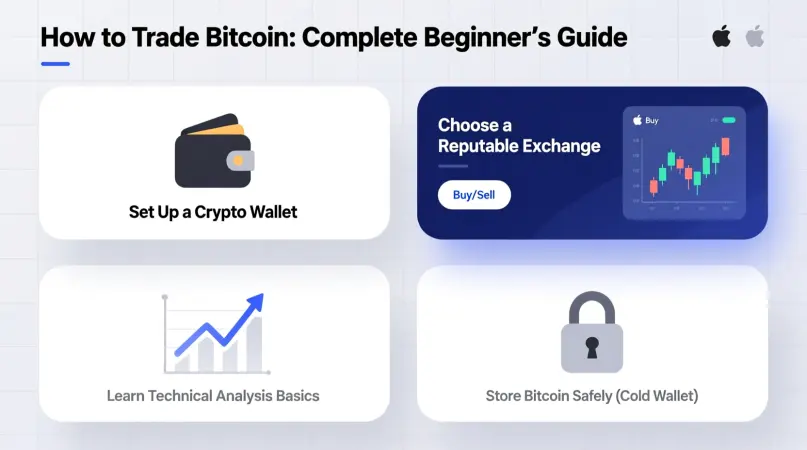

Bitcoin trading has become one of the most popular ways to invest in cryptocurrency. With its high volatility and huge potential for profit, beginners and intermediate traders alike are eager to learn how to trade Bitcoin effectively. Understanding the basics, the strategies, and the risks involved is crucial before diving into this dynamic market. In this guide, we will walk you through everything you need to know to trade Bitcoin confidently and safely.
Trading Bitcoin may seem complicated at first, but with the right knowledge, anyone can start and gradually improve their skills. From choosing the right exchange to understanding market trends and risk management, each step plays a vital role in successful trading. This guide is written in simple, easy-to-understand language, making it perfect for beginners while still offering valuable insights for intermediate traders.
Whether your goal is to make short-term profits through day trading or long-term gains through holding, understanding how Bitcoin works, and learning proven strategies can dramatically improve your chances of success. In the following sections, we’ll cover the essential concepts, step-by-step methods, common mistakes to avoid, and expert tips that can help you navigate the Bitcoin market with confidence.
By the end of this article, you will have a complete understanding of how to trade Bitcoin efficiently and safely, equipped with the knowledge to make informed decisions and minimize risks. Let’s get started and explore the world of Bitcoin trading in detail.
What is Bitcoin Trading?
Bitcoin trading refers to the process of buying and selling Bitcoin in order to make a profit. Unlike traditional investments, Bitcoin trading is highly dynamic and takes place on digital platforms called cryptocurrency exchanges. Traders aim to take advantage of Bitcoin’s price fluctuations, buying low and selling high, or sometimes using more advanced strategies like short selling and margin trading.
Bitcoin is a decentralized digital currency, meaning it operates without a central bank or government control. This independence makes it attractive to investors but also results in significant price volatility. Traders must understand market movements, news, and technical indicators to make smart trading decisions.
There are different styles of Bitcoin trading, including:
- Day Trading: Buying and selling within the same day to capture short-term gains.
- Swing Trading: Holding positions for several days or weeks to profit from price swings.
- Scalping: Making small, frequent trades for tiny profits that add up over time.
- Long-Term Holding (HODLing): Buying Bitcoin and holding it for months or years, expecting the price to increase significantly.
Understanding what type of trading suits your risk tolerance, time commitment, and financial goals is crucial before entering the market.
May be you like it:
Layer 2 Blockchain Solutions: The Future of Scalable Blockchain Technology
NFT Collectibles: A Beginner’s Complete Guide to Digital Collectibles
Crypto Wallet Guide: The Ultimate Beginner-Friendly Guide
Why is Bitcoin Trading Important?

Bitcoin trading offers unique opportunities that traditional financial markets cannot match. Here are some reasons why trading Bitcoin is important:
- High Profit Potential: Bitcoin’s price can rise or fall dramatically in short periods, offering traders a chance to earn substantial profits.
- Market Accessibility: Unlike traditional markets that operate only during business hours, cryptocurrency markets are open 24/7.
- Diversification: Trading Bitcoin allows investors to diversify their portfolio beyond stocks, bonds, and commodities.
- Learning Financial Skills: Bitcoin trading teaches important skills like technical analysis, market research, and risk management.
- Liquidity: Bitcoin is one of the most liquid cryptocurrencies, meaning it can be easily bought or sold without significantly affecting its price.
While the potential rewards are high, it’s equally important to understand the risks involved. By trading responsibly, using proven strategies, and staying informed, traders can take advantage of Bitcoin’s growth while minimizing potential losses.
Detailed Step-by-Step Guide to Trade Bitcoin
Trading Bitcoin requires a combination of preparation, research, and strategy. Here’s a detailed step-by-step guide to help you start:
Step 1: Choose a Reliable Exchange
Before you can trade, you need to select a reputable cryptocurrency exchange. Look for platforms that offer:
- Security features like two-factor authentication (2FA)
- User-friendly interface
- Low fees and competitive spreads
- Access to advanced trading tools and charts
Popular exchanges include Binance, Coinbase, Kraken, and Bitstamp, but you should research which platform suits your needs best.
Step 2: Create and Verify Your Account
Sign up on your chosen exchange and complete the verification process. Verification often requires personal documents to comply with regulations. This step ensures the security of your account and allows higher withdrawal limits.
Step 3: Fund Your Account
Deposit funds using your preferred payment method. Most exchanges accept bank transfers, credit/debit cards, or even other cryptocurrencies. Start with a small amount you are comfortable risking as a beginner.
Step 4: Understand Bitcoin Market Analysis
Successful trading requires market analysis. There are two main types:
- Fundamental Analysis: Evaluates Bitcoin’s intrinsic value by looking at news, adoption trends, regulatory changes, and technological updates.
- Technical Analysis: Uses charts, price patterns, and indicators like Moving Averages, RSI, and MACD to predict future price movements.
Combining both analyses increases your chances of making informed decisions.
Step 5: Develop a Trading Strategy
A well-defined strategy helps manage risks and maximize profits. Popular strategies include:
- Trend Following: Buy when the price is rising and sell when it’s falling.
- Breakout Trading: Enter trades when the price breaks key support or resistance levels.
- Swing Trading: Take advantage of price swings over days or weeks.
Test your strategy on a demo account or with a small amount before committing significant funds.
Step 6: Place Your First Trade
Once ready, choose whether to buy (go long) or sell (go short). Decide on:
- Entry price
- Stop-loss (limits your losses)
- Take-profit (locks in profits)
Always stick to your trading plan and avoid emotional decisions.
Step 7: Monitor Your Trades
Keep an eye on your trades and market conditions. Bitcoin is highly volatile, so prices can change rapidly. Adjust your strategy if necessary, but avoid overtrading or panicking.
Step 8: Withdraw Profits
When you achieve profits, withdraw a portion to a secure wallet. Using a hardware wallet or other cold storage methods ensures your Bitcoin remains safe from hacks.
Benefits of Bitcoin Trading
Trading Bitcoin comes with multiple advantages:
- High earning potential due to price volatility
- Market accessibility 24/7
- Portfolio diversification
- Enhanced financial skills through analysis and strategy
- Global reach without geographical restrictions
- Transparency through blockchain technology
- Fast transactions compared to traditional banking
These benefits make Bitcoin trading an attractive option for investors looking to explore new opportunities.
Disadvantages / Risks of Bitcoin Trading
Despite its advantages, Bitcoin trading has risks:
- High volatility can lead to significant losses
- Lack of regulation in some regions
- Cybersecurity threats such as hacking
- Emotional trading leading to poor decisions
- Complexity for beginners without proper knowledge
- Potential scams from untrustworthy exchanges
- Liquidity issues during extreme market conditions
Being aware of these risks is essential to manage them effectively.
Common Mistakes to Avoid
Beginners often make mistakes that can be costly:
- Trading without a plan – Always have a strategy.
- Ignoring risk management – Use stop-loss and position sizing.
- Overtrading – Avoid excessive trades that increase fees and stress.
- Chasing losses – Don’t try to recover losses with risky trades.
- Neglecting research – Stay updated with market trends and news.
- Emotional decisions – Keep emotions separate from trading choices.
- Using unreliable exchanges – Ensure security and reputation.
Avoiding these errors can save you time, money, and stress while improving your trading experience.
May be you like it:
Smart Contract Platforms: A Beginner’s Guide to Blockchain Automation
Top DeFi Projects You Must Know in 2026
Blockchain Explained: Beginner-Friendly Guide
Frequently Asked Questions (FAQs)
1. What is the minimum amount needed to trade Bitcoin?
You can start trading with as little as $10 to $50 on most exchanges. However, starting small is recommended until you gain experience.
2. How do I keep my Bitcoin safe?
Use secure wallets like hardware wallets, enable two-factor authentication, and never share your private keys.
3. Can I trade Bitcoin for profit daily?
Yes, through day trading, you can profit daily, but it requires careful market analysis and discipline.
4. Is Bitcoin trading legal?
Legality varies by country. Most countries allow trading, but check local regulations before starting.
5. Do I need technical analysis skills to trade?
While not mandatory, technical analysis greatly improves trading decisions and timing.
6. What is a stop-loss and why is it important?
A stop-loss is an automatic order to sell at a set price, limiting potential losses. It’s vital for risk management.
7. Should I invest all my money in Bitcoin?
Never invest more than you can afford to lose. Diversify across assets to minimize risk.
8. How do news and events affect Bitcoin prices?
Announcements like regulations, institutional adoption, or technological updates can cause significant price fluctuations.
9. Can beginners make money trading Bitcoin?
Yes, beginners can profit with proper education, practice, and risk management, but patience is key.
10. What tools can help me trade Bitcoin effectively?
Trading platforms offer charts, indicators, and alerts. External tools like TradingView and CoinMarketCap also help in analysis.
Expert Tips & Bonus Points
- Start small: Trade with a limited amount and gradually increase as you gain experience.
- Diversify strategies: Don’t rely on one strategy; combine trend following, swing trading, and technical indicators.
- Keep a trading journal: Record every trade, including reasoning, profit/loss, and lessons learned.
- Stay updated: Follow Bitcoin news, market trends, and regulatory updates.
- Use risk management: Never risk more than 1–2% of your capital on a single trade.
- Avoid leverage initially: Leverage magnifies profits but also losses; beginners should be cautious.
- Automate with caution: Trading bots can help, but manual monitoring is essential.
- Control emotions: Fear and greed often lead to mistakes; follow your strategy consistently.
Bonus: Experiment with demo accounts to practice without risking real money. This builds confidence and skill over time.
Conclusion
Trading Bitcoin offers exciting opportunities, but it is not without challenges. By understanding what Bitcoin is, why trading it matters, and how to approach it systematically, you can maximize your chances of success while minimizing risks. Start by choosing a reliable exchange, funding your account, and learning market analysis methods. Develop a clear strategy, apply risk management, and avoid common mistakes to trade confidently.
Remember, Bitcoin trading is a journey, not a quick get-rich scheme. Patience, discipline, and continuous learning are key to becoming a successful trader. By practicing consistently, staying informed, and refining your strategies, you can navigate the volatile Bitcoin market with confidence. Whether you are a beginner or an intermediate trader, this guide equips you with the tools, tips, and knowledge necessary to trade Bitcoin safely and profitably.
Embrace the journey, trade wisely, and gradually, you will gain the skills to make Bitcoin trading a rewarding experience.
May be you like it:
Crypto Swing Trading: A Complete Guide for Beginners and Intermediates
Crypto Day Trading: A Complete Guide for Beginners and Intermediates
Crypto Portfolio Management: A Beginner’s Guide to Smart Investing