
Introduction
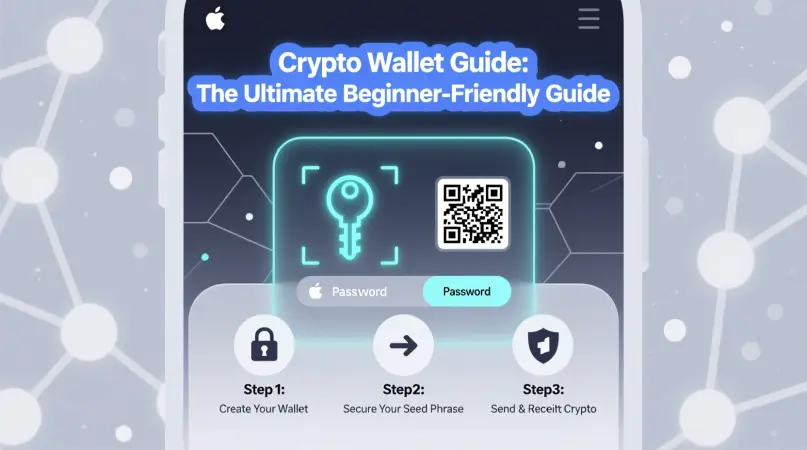
Cryptocurrency has grown into a global financial phenomenon, attracting millions of users worldwide. With this growth, securing your digital assets has become more important than ever. A crypto wallet is a key tool for anyone entering the world of cryptocurrencies. It allows you to store, manage, and send digital currencies safely, giving you complete control over your funds.
Whether you are a beginner just exploring Bitcoin or Ethereum, or an intermediate user dealing with multiple tokens, understanding how a crypto wallet works is essential. Many users make the mistake of storing funds on exchanges, exposing themselves to hacks and fraud. A reliable crypto wallet not only enhances security but also provides a seamless way to interact with blockchain networks.
This comprehensive crypto wallet guide will walk you through everything you need to know. From the basic concept of crypto wallets to the step-by-step setup process, the benefits, risks, and expert tips, this guide ensures you gain the confidence to manage your cryptocurrency safely and efficiently. By the end of this article, you will have a clear understanding of how to select, use, and protect your crypto wallet like a pro.
What is a Crypto Wallet?
A crypto wallet is a digital tool that allows users to store and manage cryptocurrencies. Unlike traditional wallets, crypto wallets do not hold physical coins. Instead, they store private keys—digital codes required to access and control your crypto funds.
There are two main types of crypto wallets:
- Hot Wallets: These wallets are connected to the internet, making transactions fast and convenient. Examples include mobile apps, web wallets, and desktop software.
- Cold Wallets: These wallets are offline and provide the highest security. Hardware wallets and paper wallets fall into this category.
Crypto wallets serve as a bridge between you and the blockchain network. They enable sending, receiving, and monitoring your cryptocurrencies. Each wallet has a unique address, which functions like a digital account number for receiving funds.
By understanding what a crypto wallet is, you can make informed decisions about which type of wallet suits your needs and how to keep your digital assets secure.
Why is a Crypto Wallet Important?
A crypto wallet is more than just a storage tool—it is your gateway to the cryptocurrency ecosystem. Here are the main reasons why having a crypto wallet is crucial:
- Security: Wallets give you control over your private keys, reducing reliance on exchanges.
- Ownership: With a crypto wallet, you truly own your assets instead of leaving them on third-party platforms.
- Convenience: Wallets make it easy to send and receive cryptocurrencies anywhere in the world.
- Access to DeFi and dApps: Many wallets allow integration with decentralized finance apps and blockchain-based services.
- Backup and Recovery: Wallets often provide recovery phrases to restore funds in case of device loss.
Without a crypto wallet, your cryptocurrencies remain vulnerable to hacking, phishing attacks, and exchange failures. Understanding its importance helps you prioritize security while actively participating in the digital economy.
May be you like it:
Layer 2 Blockchain Solutions: The Future of Scalable Blockchain Technology
NFT Collectibles: A Beginner’s Complete Guide to Digital Collectibles
How to Trade Bitcoin: Complete Beginner’s Guide
Detailed Step-by-Step Guide to Using a Crypto Wallet
Setting up and using a crypto wallet may seem complex at first, but following a structured approach can simplify the process.
Step 1: Choose the Right Wallet
Consider your needs:
- For Beginners: Use user-friendly mobile wallets or web wallets. Examples: Trust Wallet, MetaMask.
- For Security: Opt for hardware wallets like Ledger or Trezor.
- For Frequent Trading: Hot wallets offer quick transactions.
Evaluate features such as multi-currency support, backup options, and platform compatibility before deciding.
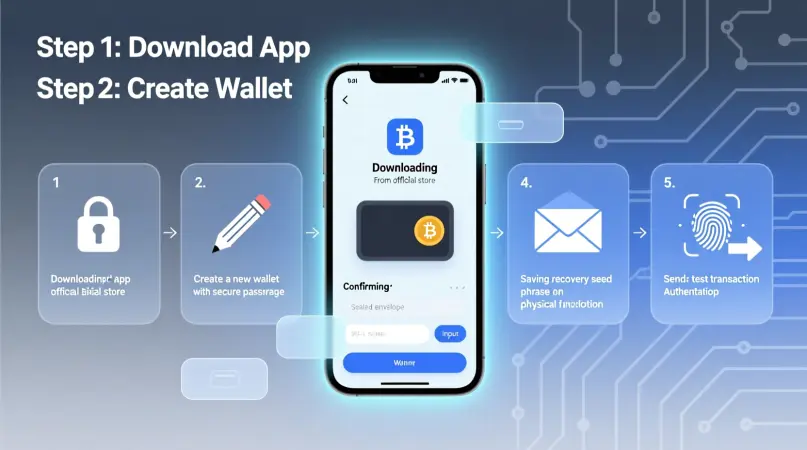
Step 2: Download and Install
- Visit the official website or app store to download your wallet.
- Avoid third-party links to prevent malware and scams.
- Follow installation instructions carefully.
Step 3: Create a New Wallet
- Open the app and select “Create New Wallet.”
- Set a strong password for added security.
- Write down the recovery phrase (usually 12–24 words) on paper and store it safely.
Step 4: Add Cryptocurrencies
- Some wallets allow direct purchase of crypto via credit card or bank transfer.
- Alternatively, transfer funds from an exchange to your wallet address.
Step 5: Send and Receive Funds
- To Receive: Share your wallet address with the sender.
- To Send: Enter the recipient’s address, specify the amount, and confirm the transaction.
Step 6: Backup and Secure Your Wallet
- Enable two-factor authentication if available.
- Regularly backup wallet files.
- Keep recovery phrases offline and away from unauthorized access.
By following these steps, you can confidently set up and manage a crypto wallet while ensuring the safety of your digital assets.
Benefits of a Crypto Wallet
Using a crypto wallet provides multiple advantages for both beginners and seasoned users:
- Full control over your private keys and funds.
- Increased security compared to storing cryptocurrencies on exchanges.
- Easy access to multiple cryptocurrencies from a single interface.
- Support for decentralized applications (dApps) and decentralized finance (DeFi).
- Convenient transaction tracking and management.
- Ability to send and receive funds globally with minimal fees.
- Backup and recovery options ensure you don’t lose your crypto.
Disadvantages / Risks of Crypto Wallets
While crypto wallets offer numerous benefits, there are some potential drawbacks and risks:
- Loss of Private Keys: Losing your keys means losing access to your funds permanently.
- Hacking: Hot wallets connected to the internet are vulnerable to cyberattacks.
- User Error: Sending crypto to the wrong address is irreversible.
- Compatibility Issues: Not all wallets support every cryptocurrency.
- Maintenance: Hardware wallets require proper care and storage.
- Scams: Fake wallet apps can steal your assets.
Awareness of these risks can help users implement safety measures and avoid costly mistakes.
Common Mistakes to Avoid
Even experienced users make mistakes that can compromise wallet security:
- Not Backing Up Recovery Phrase: Always store recovery phrases offline and securely.
- Using Weak Passwords: Avoid simple or repeated passwords.
- Ignoring Updates: Wallet software updates often include important security fixes.
- Mixing Personal and Exchange Wallets: Keep your private wallet separate from exchange accounts.
- Falling for Phishing Scams: Only use official websites or app stores to download wallets.
- Overlooking Two-Factor Authentication: Extra security layers reduce hacking risks.
By avoiding these common pitfalls, you can maintain the safety and functionality of your crypto wallet.
May be you like it:
Smart Contract Platforms: A Beginner’s Guide to Blockchain Automation
Top DeFi Projects You Must Know in 2026
Blockchain Explained: Beginner-Friendly Guide
FAQs
1. What is the difference between a hot wallet and a cold wallet?
Hot wallets are connected to the internet, making them convenient for frequent transactions but more vulnerable to hacks. Cold wallets are offline, providing maximum security but less convenience.
2. Can I recover my crypto if I lose my wallet?
Yes, if you have the recovery phrase or backup. Without it, access to your funds is permanently lost.
3. Are crypto wallets free?
Most software wallets are free, but hardware wallets require purchase. Some wallets may charge small transaction fees.
4. How do I choose the best wallet for my needs?
Consider security, ease of use, supported currencies, and additional features like DeFi integration. Beginners may prefer mobile wallets, while serious investors may choose hardware wallets.
5. Is it safe to store crypto on exchanges?
Exchanges are vulnerable to hacks. It is safer to transfer funds to your personal wallet for full control.
6. Can I use one wallet for multiple cryptocurrencies?
Yes, many wallets support multiple tokens, allowing you to manage all your digital assets in one place.
7. What happens if my device is lost or stolen?
If you have a backup of your recovery phrase, you can restore your wallet on a new device. Without it, you may lose access to your funds permanently.
8. Are transactions with a crypto wallet reversible?
No. Cryptocurrency transactions are permanent. Always double-check addresses and amounts before sending funds.
Expert Tips & Bonus Points
- Use Hardware Wallets for Large Holdings: Cold wallets offer maximum security for significant amounts of crypto.
- Enable Two-Factor Authentication: This adds an extra layer of protection against unauthorized access.
- Regularly Update Your Wallet: Updates fix security vulnerabilities and improve functionality.
- Diversify Wallets: Use multiple wallets to reduce risks and manage different crypto assets.
- Stay Informed About Scams: Educate yourself about phishing and fake wallet apps.
- Test Small Transactions First: When sending to a new address, start with a small amount to ensure accuracy.
- Consider Multi-Signature Wallets: These require multiple approvals for transactions, enhancing security.
Conclusion
A crypto wallet is an essential tool for anyone entering the world of cryptocurrency. It provides security, ownership, and convenience, allowing users to manage their digital assets confidently. While wallets come with certain risks, understanding how they work and following best practices ensures your funds remain safe.
By choosing the right wallet, backing it up properly, and avoiding common mistakes, you can enjoy the benefits of crypto without unnecessary worry. Remember, whether you are sending, receiving, or storing cryptocurrencies, your wallet is your key to the digital financial world.
Invest time in learning and practicing wallet security, and you will gain complete control over your crypto journey. This guide equips you with the knowledge to make informed decisions, protect your assets, and navigate the rapidly growing cryptocurrency ecosystem safely. A well-managed crypto wallet is not just a storage tool—it’s your gateway to financial empowerment in the digital age.
May be you like it:
Crypto Swing Trading: A Complete Guide for Beginners and Intermediates
Crypto Day Trading: A Complete Guide for Beginners and Intermediates
Crypto Portfolio Management: A Beginner’s Guide to Smart Investing