
Introduction
In the fast-paced world of cryptocurrency, managing your investments effectively is more crucial than ever. Many beginners dive into crypto trading without a clear plan, only to face losses due to market volatility. This is where crypto portfolio management comes in. By organizing and monitoring your crypto assets strategically, you can reduce risks, maximize returns, and make informed decisions.
Crypto portfolio management isn’t just for professional traders—it’s a skill every investor should develop. Whether you own Bitcoin, Ethereum, or a range of altcoins, having a structured portfolio can protect your investments during market downturns. A well-managed portfolio also allows you to seize opportunities when the market rises, ensuring you are not left behind.
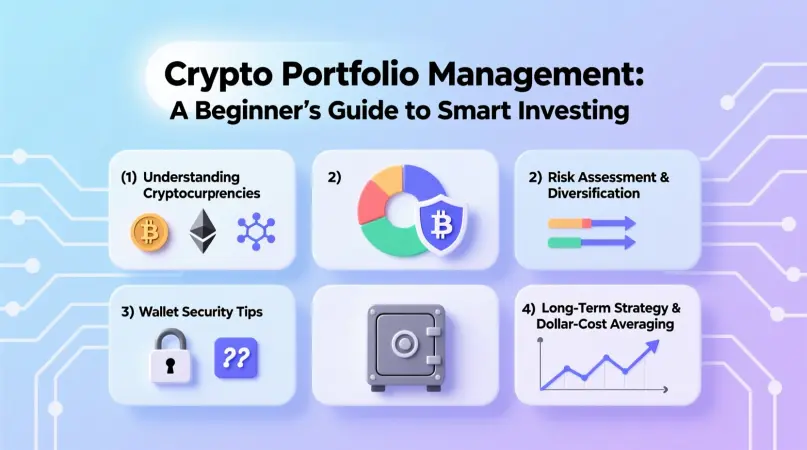
This guide will walk you through the essentials of crypto portfolio management. You’ll learn what it is, why it matters, step-by-step strategies to build your portfolio, common mistakes to avoid, and tips from experts. By the end, you’ll have the knowledge and confidence to manage your crypto assets like a pro, even if you’re a beginner. With practical advice and examples, this guide makes complex concepts easy to understand and apply.
What is Crypto Portfolio Management?
Crypto portfolio management refers to the process of managing and organizing your cryptocurrency investments to achieve specific financial goals. It involves choosing the right mix of assets, monitoring their performance, and adjusting your holdings based on market conditions. Essentially, it’s like creating a financial plan but tailored specifically for crypto.
A crypto portfolio is not just a list of coins you own; it is a strategic collection of digital assets selected to balance risk and reward. This includes high-cap coins like Bitcoin and Ethereum, as well as smaller altcoins with higher growth potential. Effective portfolio management combines research, risk assessment, and discipline to ensure long-term success.
For example, instead of putting all your funds into a single cryptocurrency, portfolio management encourages diversification. This means spreading your investments across different coins, sectors, or even blockchain technologies. The goal is to minimize losses when one asset underperforms while benefiting from others that grow.
May be you like it:
Layer 2 Blockchain Solutions: The Future of Scalable Blockchain Technology
NFT Collectibles: A Beginner’s Complete Guide to Digital Collectibles
Crypto Wallet Guide: The Ultimate Beginner-Friendly Guide
Why is Crypto Portfolio Management Important?

Managing your crypto portfolio effectively is not optional—it is essential. Here are the main reasons why:
- Reduce Risk: Crypto markets are highly volatile. Proper portfolio management helps balance risk across multiple assets, reducing the chance of significant losses.
- Maximize Returns: By monitoring your holdings and adjusting allocations, you can capitalize on growth opportunities and exit underperforming assets.
- Maintain Discipline: Many investors make emotional decisions during market swings. A structured portfolio keeps you focused on long-term goals.
- Track Performance: Portfolio management tools allow you to monitor profits, losses, and overall growth, making it easier to analyze your investment strategy.
- Adapt to Market Changes: Markets evolve constantly. A managed portfolio allows you to rebalance and adapt to new trends or regulatory changes.
Consider this scenario: an investor holds only Bitcoin. If Bitcoin falls 30% in a week, their entire portfolio suffers. However, if the same investor had diversified holdings across multiple coins, their losses could be significantly lower. This example shows why portfolio management is not just beneficial—it’s critical for survival in the crypto space.
Detailed Step-by-Step Guide to Crypto Portfolio Management
Step 1: Define Your Goals
Before investing, identify what you want to achieve. Are you aiming for long-term growth, short-term profits, or a mix of both? Your goals will determine your investment strategy. For example:
- Long-term growth: Focus on established coins like Bitcoin and Ethereum.
- Short-term profits: Consider smaller altcoins with high volatility but potential for quick gains.
Step 2: Assess Your Risk Tolerance
Understanding your comfort with risk is essential. Crypto is inherently risky, and knowing your tolerance helps you make informed decisions. Use these levels as a guideline:
- Low Risk: 70% stable coins, 30% high-cap cryptos
- Medium Risk: 50% high-cap coins, 30% mid-cap coins, 20% altcoins
- High Risk: 30% high-cap coins, 30% mid-cap, 40% altcoins
Step 3: Diversify Your Investments
Diversification is the cornerstone of portfolio management. Spread your investments across:
- High-cap coins: Bitcoin (BTC), Ethereum (ETH)
- Mid-cap coins: Polkadot (DOT), Cardano (ADA)
- Small-cap coins: Emerging altcoins with high growth potential
- Stablecoins: USDT, USDC for stability and liquidity
This mix balances risk while keeping growth potential.
Step 4: Allocate Funds Strategically
Once you choose your coins, allocate funds based on your goals and risk tolerance. Example allocation for a medium-risk investor:
- 50% Bitcoin and Ethereum
- 30% mid-cap coins
- 15% small-cap coins
- 5% stablecoins
Adjust allocations as the market changes to optimize returns.
Step 5: Use Portfolio Tracking Tools
Tracking your crypto portfolio manually is challenging. Use tools like:
- CoinMarketCap Portfolio
- CoinGecko Portfolio Tracker
- Blockfolio
These tools help monitor value, track performance, and provide alerts for market movements.
Step 6: Rebalance Regularly
Rebalancing means adjusting your portfolio to maintain your desired allocation. For example, if an altcoin surges, its percentage of your portfolio increases. Selling some of it and reinvesting in other assets keeps your portfolio balanced.
- Monthly: Check major performance changes
- Quarterly: Review and adjust allocations
- After big market swings: Protect profits or cut losses
Step 7: Secure Your Investments
Crypto security is critical. Follow these steps:
- Use hardware wallets for long-term holdings
- Enable two-factor authentication (2FA)
- Avoid storing large amounts on exchanges
- Backup recovery phrases securely
Security ensures your portfolio is safe from hacks and scams.
Step 8: Monitor News and Trends
Market trends and news significantly impact crypto prices. Stay updated on:
- Regulatory changes
- New blockchain projects
- Market sentiment shifts
- Technological upgrades
Reacting quickly to news can protect your portfolio from sudden drops.
Step 9: Keep a Trading Journal
Maintain records of all transactions, including:
- Buy/sell prices
- Reasons for investment
- Outcomes and lessons
A journal helps analyze mistakes, track growth, and improve strategies over time.
Benefits of Crypto Portfolio Management
- Reduces overall investment risk
- Maximizes returns through informed decisions
- Promotes disciplined investing
- Helps monitor and analyze performance
- Enables strategic diversification
- Adapts to changing market conditions
- Protects investments from emotional decisions
Disadvantages / Risks of Crypto Portfolio Management
- Cannot eliminate market volatility
- Requires time and consistent monitoring
- High-risk assets may still cause losses
- Rebalancing too frequently can reduce profits
- Emotional decisions can still affect execution
- Dependence on portfolio tracking tools
Common Mistakes to Avoid
- Overconcentration: Putting all funds into one coin increases risk.
- Ignoring Research: Investing without understanding coins is risky.
- Chasing Hype: Following trends without strategy leads to losses.
- Neglecting Security: Failing to secure wallets can result in theft.
- Lack of Rebalancing: Ignoring portfolio adjustments reduces efficiency.
- Emotional Trading: Making impulsive decisions often causes mistakes.
May be you like it:
Smart Contract Platforms: A Beginner’s Guide to Blockchain Automation
Top DeFi Projects You Must Know in 2026
Blockchain Explained: Beginner-Friendly Guide
FAQs
1. What is the best crypto portfolio for beginners?
A beginner-friendly portfolio focuses on high-cap coins like Bitcoin and Ethereum, a few mid-cap coins for growth, and stablecoins for security. Start small and diversify gradually.
2. How often should I rebalance my crypto portfolio?
It depends on market volatility. Monthly rebalancing is ideal for most, while quarterly or after major market swings can also work. The goal is maintaining your target allocation.
3. Are portfolio tracking tools necessary?
Yes, they simplify management, track performance, and alert you to changes, saving time and reducing errors.
4. Can crypto portfolio management prevent losses?
It cannot prevent losses entirely but reduces risk through diversification, strategic allocation, and disciplined management.
5. How much of my portfolio should be in stablecoins?
For stability and liquidity, allocate 5–20% to stablecoins depending on risk tolerance and investment goals.
6. Should I invest in altcoins?
Yes, but in moderation. Altcoins offer growth potential but are more volatile. Balance with high-cap coins to minimize risk.
7. How do I secure my crypto portfolio?
Use hardware wallets, enable 2FA, avoid storing large amounts on exchanges, and keep backups of recovery phrases offline.
8. Can I automate portfolio management?
Yes, some tools offer automatic rebalancing and tracking features. However, understanding market trends and personal goals remains essential.
9. Is crypto portfolio management only for professionals?
No, beginners and intermediate investors can benefit immensely from proper management to avoid losses and maximize profits.
10. What mistakes should I avoid as a beginner?
Avoid overconcentration, emotional trading, ignoring research, and neglecting security practices. Stick to a plan and adjust based on data.
Expert Tips & Bonus Points
- Start Small: Don’t invest more than you can afford to lose.
- Diversify Wisely: Balance high-cap, mid-cap, and small-cap coins.
- Use Dollar-Cost Averaging: Invest fixed amounts periodically to reduce market timing risk.
- Stay Informed: Follow reliable crypto news sources and community updates.
- Avoid Panic Selling: Market dips are normal; maintain a long-term perspective.
- Regularly Update Knowledge: Crypto evolves rapidly; continuous learning is key.
- Consider Tax Implications: Keep records of transactions for reporting purposes.
- Leverage Tools: Portfolio trackers, alerts, and analytics help in making smarter decisions.
Conclusion
Crypto portfolio management is more than just tracking your investments—it’s a strategic approach to achieve financial goals while navigating a volatile market. By defining objectives, diversifying holdings, monitoring performance, and rebalancing strategically, you can reduce risks and increase opportunities for profits.
Beginners often overlook the importance of planning and discipline, which leads to mistakes and losses. With the right approach, anyone can manage a crypto portfolio efficiently. Start small, diversify thoughtfully, and use tools to track performance. Keep security, market research, and regular rebalancing at the forefront of your strategy.
In the long run, disciplined portfolio management builds confidence, reduces stress, and empowers you to make informed investment decisions. Remember, the crypto market rewards patience and strategy more than impulsive actions. Whether you are a beginner or intermediate investor, applying these principles will put you on the path toward smarter, safer, and more profitable crypto investing.
May be you like it:
Crypto Swing Trading: A Complete Guide for Beginners and Intermediates
Crypto Day Trading: A Complete Guide for Beginners and Intermediates