
Introduction
In recent years, blockchain technology has transformed the way we think about finance, digital agreements, and business processes. At the heart of this transformation are smart contract platforms. These platforms allow individuals and organizations to execute contracts automatically without relying on intermediaries. Whether you’re a developer, investor, or someone curious about blockchain, understanding smart contract platforms is essential.
Smart contract platforms simplify complex processes by using code to enforce agreements. Unlike traditional contracts that require legal oversight, smart contracts are self-executing and transparent. This automation reduces errors, speeds up transactions, and can save significant costs. For beginners, it might seem technical or overwhelming, but breaking it down step by step makes it accessible.
This guide will explore what smart contract platforms are, why they matter, how to use them, their benefits, risks, common mistakes, and expert tips. By the end, you’ll have a clear understanding of how these platforms operate and how they are shaping the future of digital agreements. Whether you are planning to create your own decentralized application (DApp) or simply want to understand blockchain trends, this article has you covered.
What is a Smart Contract Platform?
A smart contract platform is a blockchain-based system where smart contracts are created, deployed, and executed. Smart contracts are self-executing digital agreements where the terms of the contract are directly written into code. Once conditions are met, the contract executes automatically without the need for intermediaries.
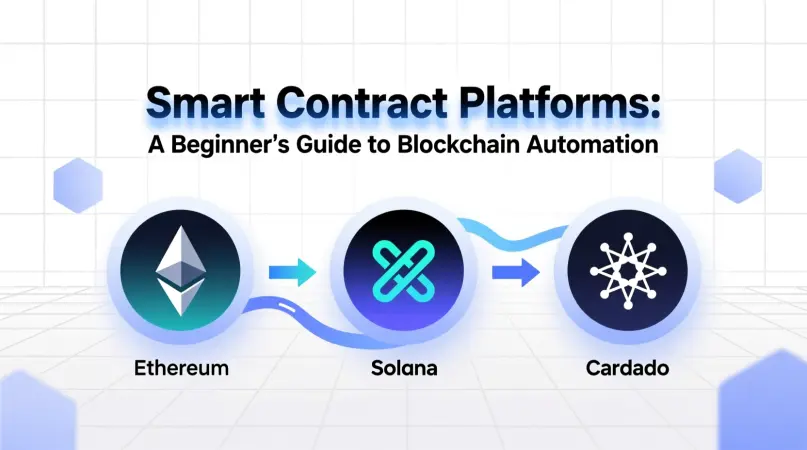
Some popular smart contract platforms include Ethereum, Binance Smart Chain, Solana, Cardano, and Polkadot. Each platform has unique features, programming languages, and transaction models, but all serve the same core purpose: to facilitate trustless, automated agreements.
Unlike traditional software, smart contract platforms are decentralized. This means that no single party controls the network, ensuring transparency, security, and resistance to tampering. These platforms often include tools and protocols for developers to create decentralized applications (DApps), digital tokens, and complex financial instruments.
In simple terms, think of a smart contract platform as a digital playground where automated agreements can be securely executed and verified by a network of computers instead of relying on banks, lawyers, or middlemen.
Why is a Smart Contract Platform Important?
Smart contract platforms are important for several reasons:
- Automation: They remove the need for manual intervention in contracts. Once conditions are coded, they execute automatically.
- Transparency: Transactions are visible on the blockchain, making them easily auditable and trustworthy.
- Cost Efficiency: By eliminating intermediaries, transaction costs are reduced significantly.
- Speed: Traditional contracts can take days or weeks to process. Smart contracts execute instantly when conditions are met.
- Security: Blockchain networks are highly secure, making contracts tamper-resistant.
- Innovation: They enable the creation of decentralized applications, NFTs, and decentralized finance (DeFi) solutions.
In essence, smart contract platforms are a cornerstone of the blockchain ecosystem. They are not only transforming finance but also healthcare, supply chain, gaming, and real estate industries by providing a reliable, automated way to manage agreements.
May be you like it:
Layer 2 Blockchain Solutions: The Future of Scalable Blockchain Technology
NFT Collectibles: A Beginner’s Complete Guide to Digital Collectibles
Crypto Wallet Guide: The Ultimate Beginner-Friendly Guide
Detailed Step-by-Step Guide to Using a Smart Contract Platform
Step 1: Choose the Right Platform
Selecting a platform depends on your needs:
- Ethereum: Most popular, widely supported, robust developer community.
- Binance Smart Chain (BSC): Fast, low transaction fees, compatible with Ethereum tools.
- Solana: High-speed, low-cost transactions, suitable for large-scale applications.
- Cardano: Focused on scalability, security, and sustainability.
- Polkadot: Designed for interoperability between blockchains.
Step 2: Set Up a Digital Wallet
Before interacting with any smart contract, you need a digital wallet compatible with the platform:
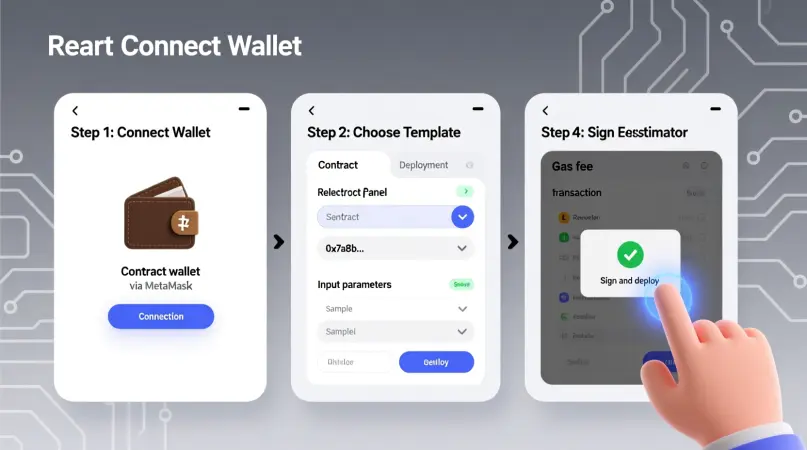
- MetaMask (Ethereum, BSC)
- Phantom (Solana)
- Daedalus (Cardano)
Your wallet stores your cryptocurrency and allows you to sign transactions securely.
Step 3: Learn the Programming Language
Each platform uses specific languages:
- Ethereum: Solidity
- BSC: Solidity (similar to Ethereum)
- Solana: Rust or C
- Cardano: Plutus (Haskell-based)
- Polkadot: Ink!
Learning the basics of these languages is essential for creating and deploying smart contracts.
Step 4: Write Your Smart Contract
- Define the contract’s purpose clearly.
- Code the rules and conditions.
- Test the contract thoroughly on a test network to avoid errors.
Step 5: Deploy the Contract
- Connect your wallet to the platform.
- Deploy your contract using the platform’s tools.
- Pay a small transaction fee (known as gas fees on Ethereum or BSC).
Step 6: Interact with the Contract
- Once deployed, your smart contract can execute automatically based on the defined conditions.
- Users can interact through DApps, exchanging tokens, or participating in DeFi platforms.
Step 7: Monitor and Maintain
- Track contract performance using blockchain explorers.
- Update or create new contracts if required, but remember deployed contracts are immutable.
Benefits of Smart Contract Platforms
- Efficiency: Automates tasks, reducing manual effort.
- Trustless Transactions: No need for intermediaries.
- Security: Data stored on blockchain is resistant to tampering.
- Cost Savings: Eliminates middleman fees.
- Global Accessibility: Anyone with internet access can interact.
- Programmable Logic: Enables complex financial operations, DApps, and NFTs.
- Transparency: Blockchain records all actions, creating an auditable trail.
Disadvantages / Risks
- Coding Errors: Bugs in smart contracts can lead to loss of funds.
- Irreversibility: Once deployed, contracts cannot be changed easily.
- High Gas Fees: Some platforms charge significant fees during network congestion.
- Limited Adoption: Some platforms are still in early stages, limiting integration.
- Regulatory Uncertainty: Legal frameworks for smart contracts are still evolving.
- Security Threats: Vulnerable to hacks if code isn’t thoroughly tested.
Common Mistakes to Avoid
- Skipping Testing: Always test on testnets before mainnet deployment.
- Ignoring Gas Fees: Plan transactions carefully to avoid overspending.
- Weak Security Practices: Avoid hard-coded private keys or poor encryption.
- Overcomplicating Contracts: Keep code simple and modular.
- Neglecting Updates: Monitor vulnerabilities and stay updated with platform changes.
- Not Understanding Platform Limits: Each platform has its own scalability and speed limitations.
May be you like it:
How to Trade Bitcoin: Complete Beginner’s Guide
Top DeFi Projects You Must Know in 2026
Blockchain Explained: Beginner-Friendly Guide
FAQs
1. What exactly is a smart contract?
A smart contract is a digital agreement coded on a blockchain that executes automatically when predefined conditions are met, without intermediaries.
2. Are smart contract platforms safe?
They are generally secure due to blockchain technology, but vulnerabilities in code or poor practices can still lead to risks.
3. Do I need coding skills to use smart contract platforms?
For basic interaction, no. However, creating and deploying your own contracts requires knowledge of the platform’s programming language.
4. Which platform is best for beginners?
Ethereum and Binance Smart Chain are beginner-friendly due to strong communities, resources, and developer tools.
5. Can smart contracts be changed after deployment?
Typically, deployed smart contracts are immutable. Updates require redeployment with new contracts.
6. How much does it cost to use a smart contract platform?
Costs vary by platform and network congestion. Ethereum may have high gas fees, while BSC and Solana are cheaper alternatives.
7. Can smart contracts be used outside finance?
Yes. They are applied in supply chain, healthcare, gaming, real estate, and digital identity management.
8. How do I verify a smart contract is trustworthy?
Check for audits by reputable firms, open-source code review, and user feedback from trusted platforms.
Expert Tips & Bonus Points
- Start Small: Deploy simple contracts to understand the process before complex projects.
- Use Test Networks: Always test on platforms like Ropsten (Ethereum) or Testnet (BSC) first.
- Learn From Open-Source Projects: Study existing smart contracts to see best practices.
- Monitor Gas Prices: Deploy during low network activity to save costs.
- Regular Audits: For financial applications, have your contracts audited by experts.
- Stay Updated: Blockchain platforms are evolving; follow official updates and communities.
- Explore Interoperability: Platforms like Polkadot allow communication between different blockchains, opening up new possibilities.
Conclusion
Smart contract platforms are revolutionizing the way we handle agreements, transactions, and applications. They provide automation, transparency, security, and efficiency that traditional methods cannot match. Whether for finance, supply chains, gaming, or decentralized applications, understanding these platforms is essential for anyone involved in blockchain technology.
While the benefits are significant, it’s important to approach them with knowledge and caution. Coding errors, high fees, and security risks can pose challenges, but with careful planning, testing, and ongoing learning, these obstacles can be managed effectively.
For beginners and intermediate users, exploring smart contract platforms opens up opportunities to innovate, save costs, and participate in the growing blockchain ecosystem. By starting with small projects, learning programming basics, and following expert tips, anyone can leverage these platforms to create secure, automated, and trustworthy digital agreements.
Smart contract platforms are not just a technology; they represent the future of decentralized digital interaction. Learning how to use them wisely today can provide a strong foundation for tomorrow’s opportunities in blockchain innovation.
May be you like it:
Crypto Swing Trading: A Complete Guide for Beginners and Intermediates
Crypto Day Trading: A Complete Guide for Beginners and Intermediates
Crypto Portfolio Management: A Beginner’s Guide to Smart Investing